EU CLASS at EfVET 2026: Bringing Global Citizenship into VET Practice
How can vocational education and training prepare learners not only for their future professions, but also for their role as active and responsible citizens?
This question was at the heart of the EfVET Annual Conference 2026, held in Brussels from 21st to 23rd October under the theme “Global Citizenship Empowered by VET”.
For the EU CLASS Alliance the conference provided an opportunity to contribute to the European debate on citizenship education, share practical approaches and strengthen cooperation with other VET organisations and European initiatives.
EU CLASS contributed to four complementary activities:
- a thematic panel discussion,
- an interactive workshop,
- a Jean Monnet projects roundtable
- the EfVET Youth Forum.
Together, they explored different ways of making citizenship education more meaningful, participatory and closely connected to vocational learning.
Connecting European policies with everyday VET teaching
One of the central questions discussed during the conference was how to integrate citizenship education into existing VET curricula and learning environments.
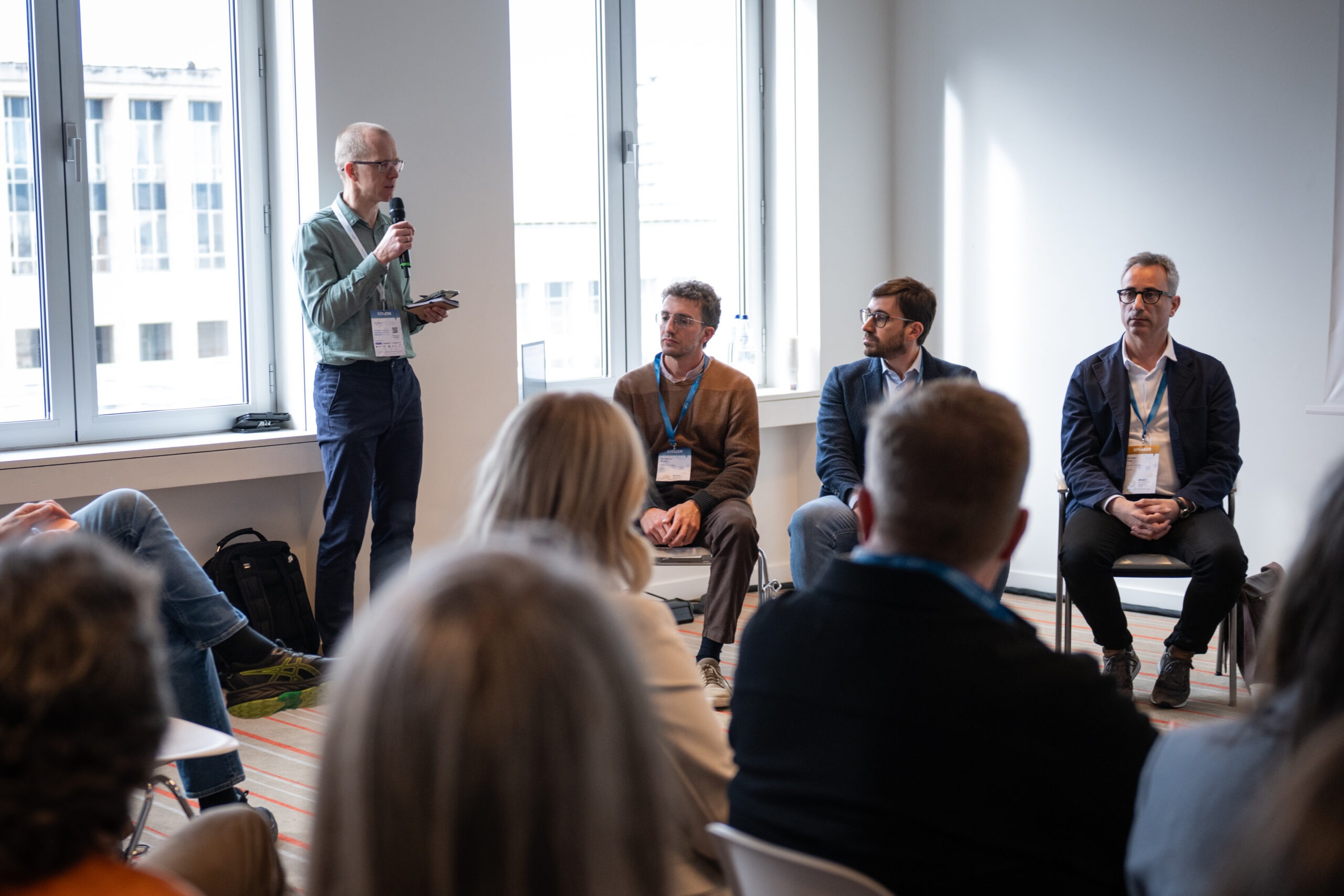
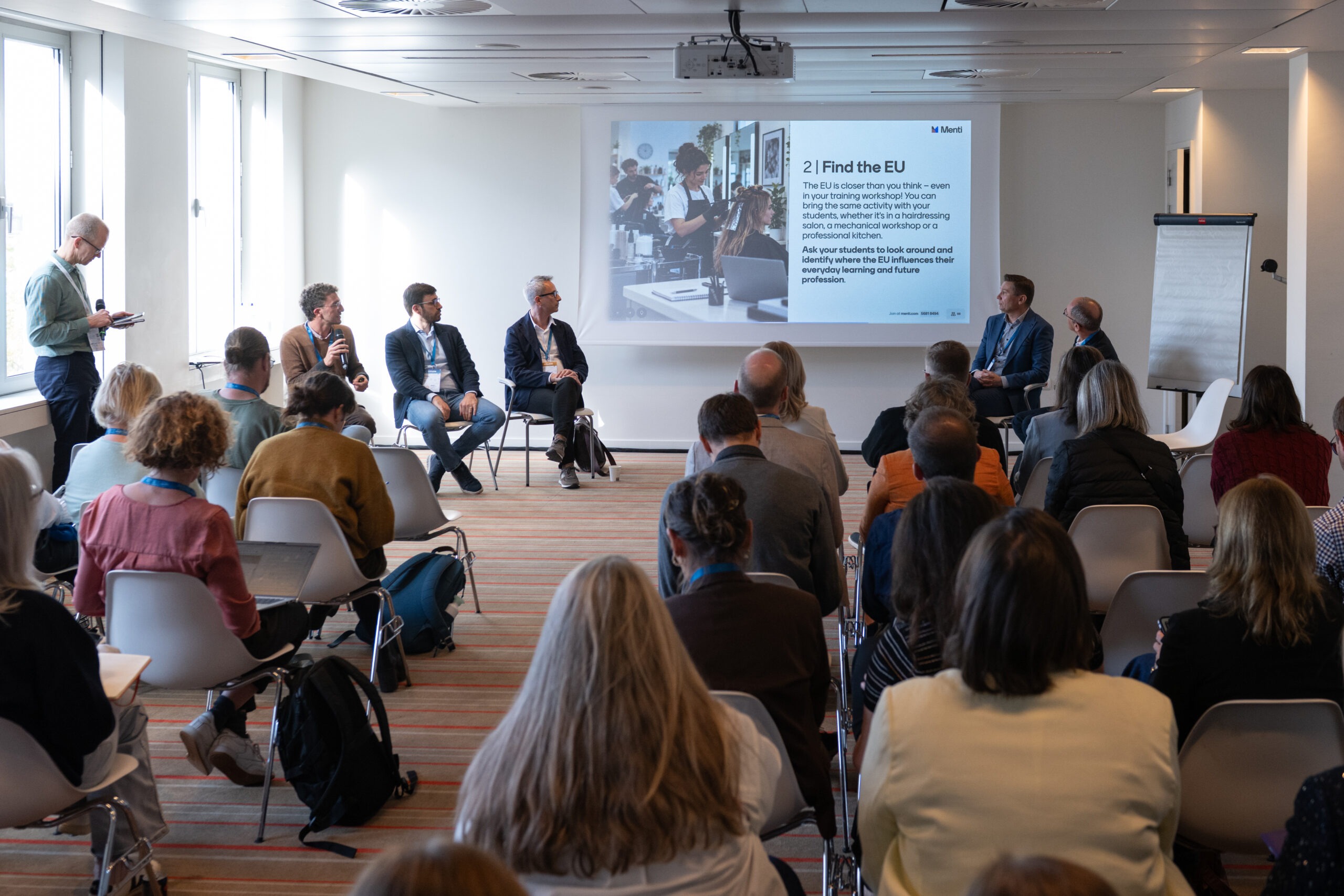
On 22 October, the parallel session “Global citizenship education in class and beyond: how to educate VET learners for global citizenship?” brought together representatives of the European Commission, the Council of Europe, VET institutions and Erasmus+ Jean Monnet projects.
The discussion connected European policy frameworks with the practical experiences of VET providers, highlighting the importance of developing democratic competences, civic responsibility and active participation alongside professional skills.
rom shared challenges to possible solutions
The discussion continued on 23rd October with the interactive workshop “Ideas in Action! From Global Citizenship to VET Practice”, developed in cooperation with the Jean Monnet Sister VET Projects Network.
The workshop invited VET professionals to reflect on the meaning of global citizenship, identify shared challenges and explore possible responses.Three working groups focused on different but complementary priorities: integrating global citizenship across vocational subjects, developing accessible international exchanges and addressing resource constraints through teacher development and collaboration with businesses.
Among the ideas proposed were using sustainability and the Sustainable Development Goals as cross-curricular themes, organising informal virtual exchanges between learners from different countries, and exploring corporate social responsibility as a bridge between citizenship education and professional practice.Rather than offering ready-made solutions, the workshop provided space to identify practical starting points for further exploration and cooperation.
Strengthening cooperation between Jean Monnet projects
Beyond classroom practice, the conference offered opportunities to connect organisations working towards similar educational objectives.
During the Jean Monnet VET Sister Projects roundtable on 22 October, representatives of EU CLASS, BELONGtoEU, Euro4VET, Europeans of Tomorrow and TEACH exchanged experiences, methodologies and challenges related to European citizenship education. The discussion also explored opportunities for future cooperation, including the exchange of teaching resources, peer learning and joint dissemination activities.
The roundtable highlighted the potential value of connecting Erasmus+ initiatives, allowing organisations to learn from one another and explore ways to extend the relevance of their educational work beyond individual projects.
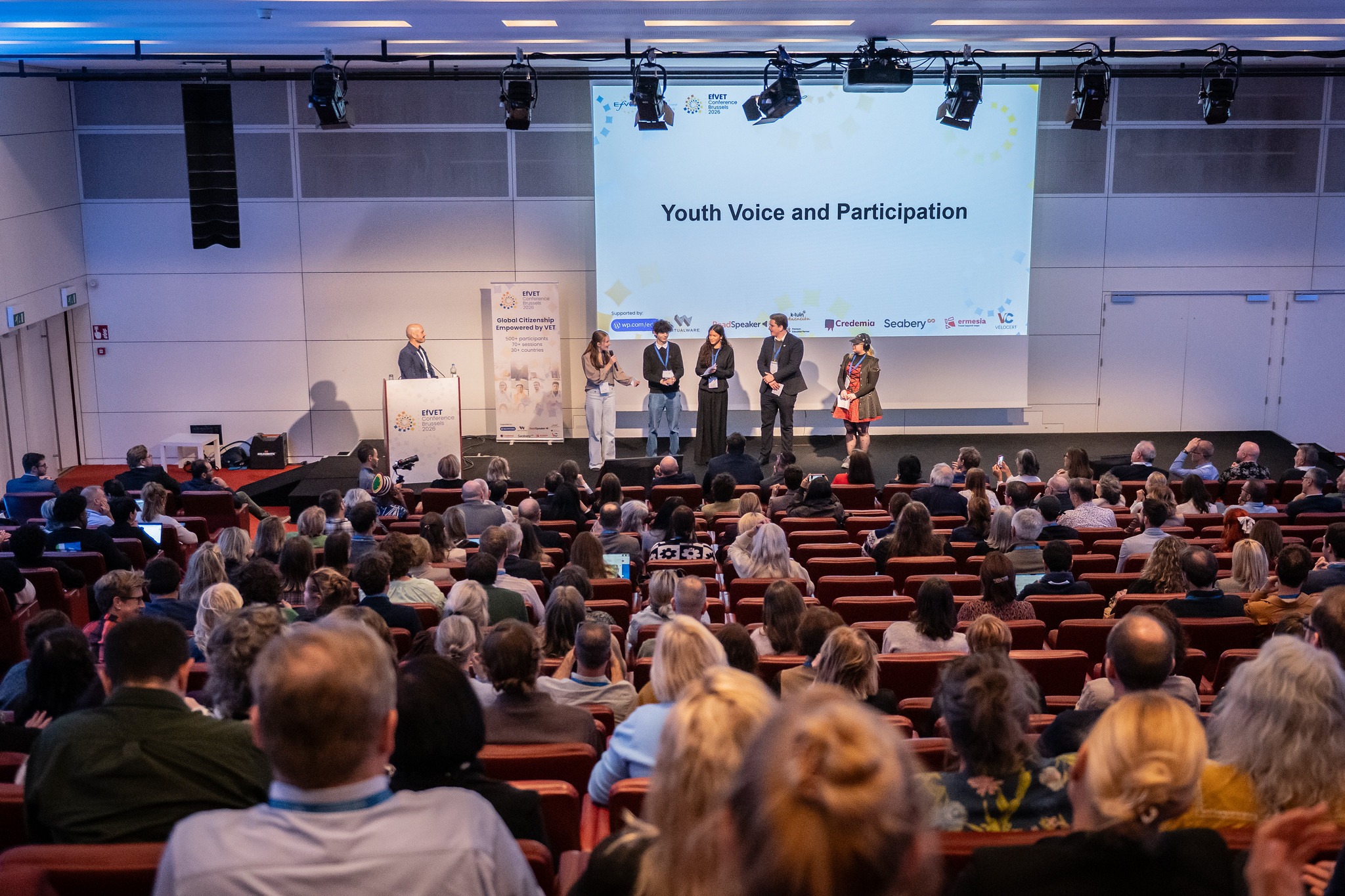
Giving young people a voice in the European debate
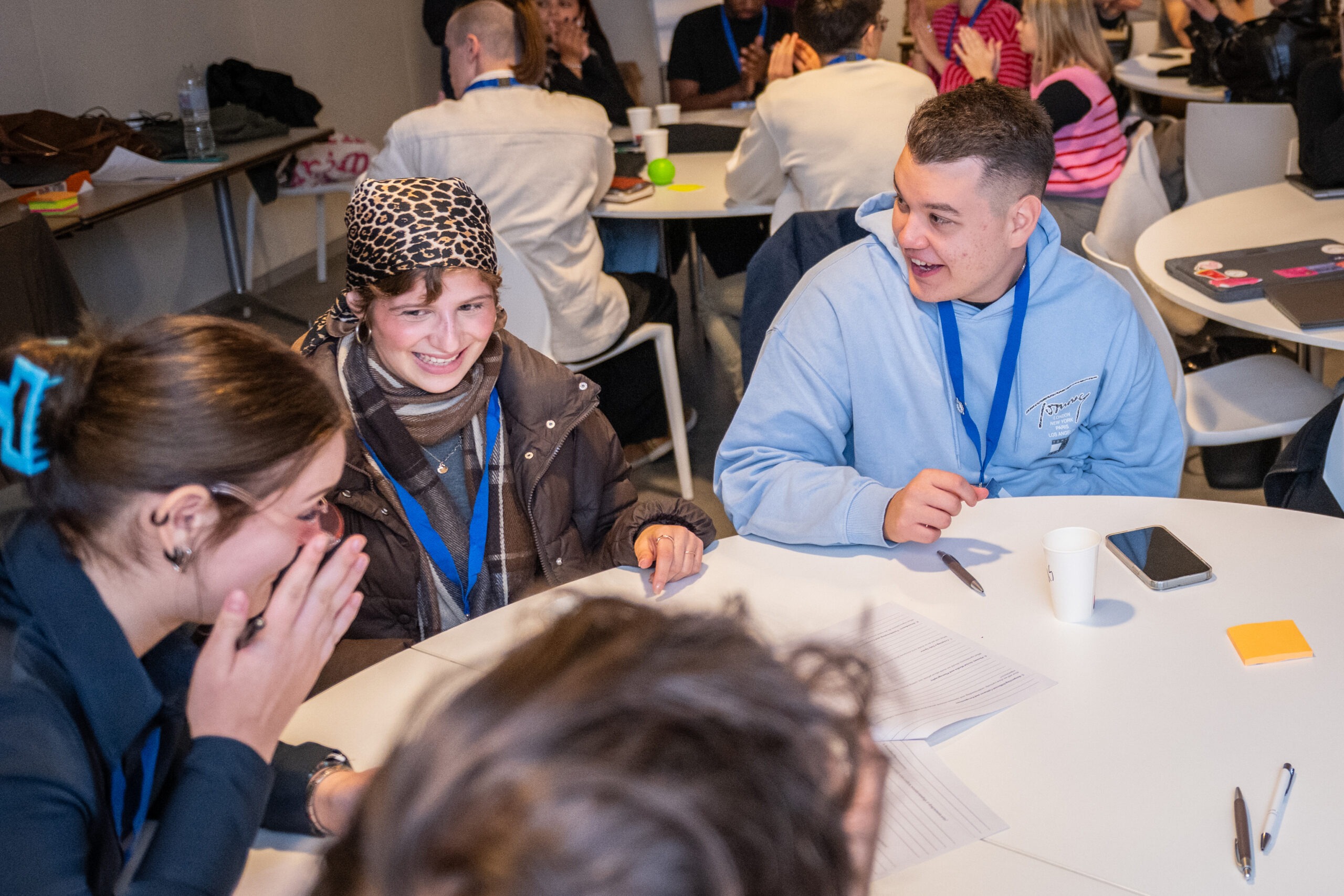
Another important dimension of the conference was the EfVET Youth Forum 2026, which brought together 33 VET learners from 11 European schools between 21 and 23 October.
EU CLASS contributed to the organisation and educational facilitation of the Forum, including the involvement of two teachers from its consortium, working alongside EfVET and other partner organisations.
Through international teamwork, facilitated discussions and collaborative activities, young participants explored themes such as democratic participation, sustainability, inclusion and digital citizenship. They developed recommendations and prepared presentations to share their perspectives with education stakeholders during the conference.
The experience illustrated an important principle: citizenship education is not only about understanding institutions and democratic values, but also about creating opportunities for young people to express their views, work with others and participate in discussions that concern their future.
Taking the conversation forward
The different contributions of EU CLASS to EfVET 2026 reflected a shared educational perspective: citizenship education should be connected to the everyday experiences of VET learners, teachers and institutions.
From teaching methodologies and collaborative workshops to exchanges between European projects and youth participation, the conference provided opportunities to share existing practices, identify challenges and explore new possibilities.
These experiences also reinforce the broader objectives of EU CLASS: strengthening the European dimension of vocational education, supporting teachers in integrating citizenship education and encouraging meaningful participation among learners.
The next step is to build on the ideas and connections developed in Brussels, exploring how they can inform teaching practice and future cooperation across the European VET community.