Learning to Participate, Learning to Cooperate: Building European Citizenship through VET
Learning to Participate, Learning to Cooperate: Building European Citizenship through VET
What does it mean to learn citizenship by practising it? For vocational education and training (VET), the answer goes beyond understanding European institutions or learning about democratic values. It also means creating opportunities for learners to express their views, work across cultures and contribute to discussions that affect their future.
At the EfVET Annual Conference 2026 in Brussels, two complementary initiatives explored this idea from different perspectives: the EfVET Youth Forum, bringing together young people from across Europe, and the Jean Monnet VET Sister Projects roundtable, connecting organisations working to strengthen European citizenship education.
Through its contribution to both activities, EU CLASS Alliance, the Erasmus+ Jean Monnet Network coordinated by ENAC ETS, supported opportunities for participation, intercultural dialogue and cooperation within the European VET community.
Giving young people a voice in the future of VET
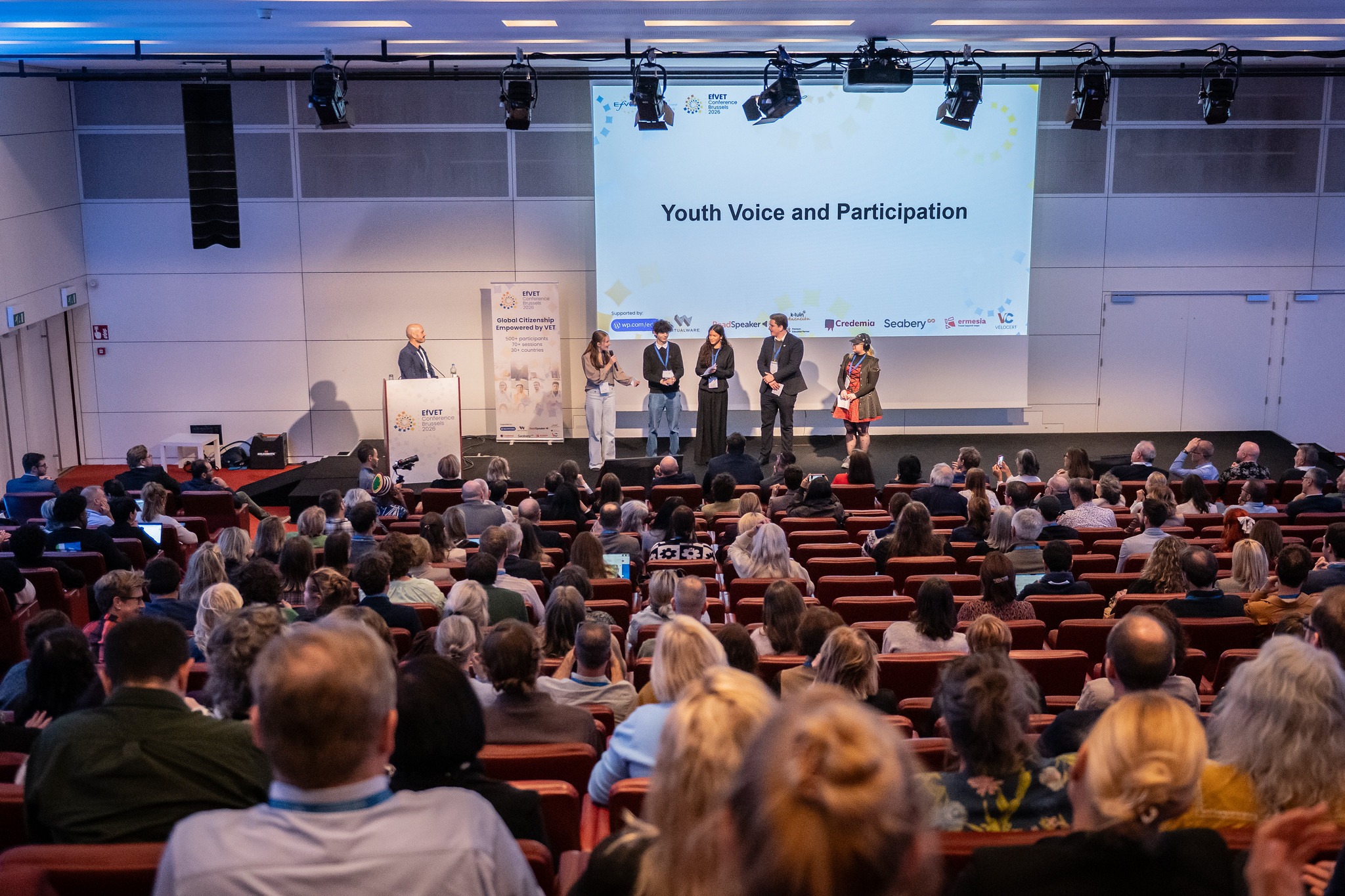
Held from 21 to 23 October under the theme “Global Citizenship Empowered by VET”, the EfVET Youth Forum 2026 brought together 33 VET learners from 11 European schools. Rather than simply attending conference sessions, participants were invited to explore issues that directly affect their generation and to develop their own perspectives and recommendations.
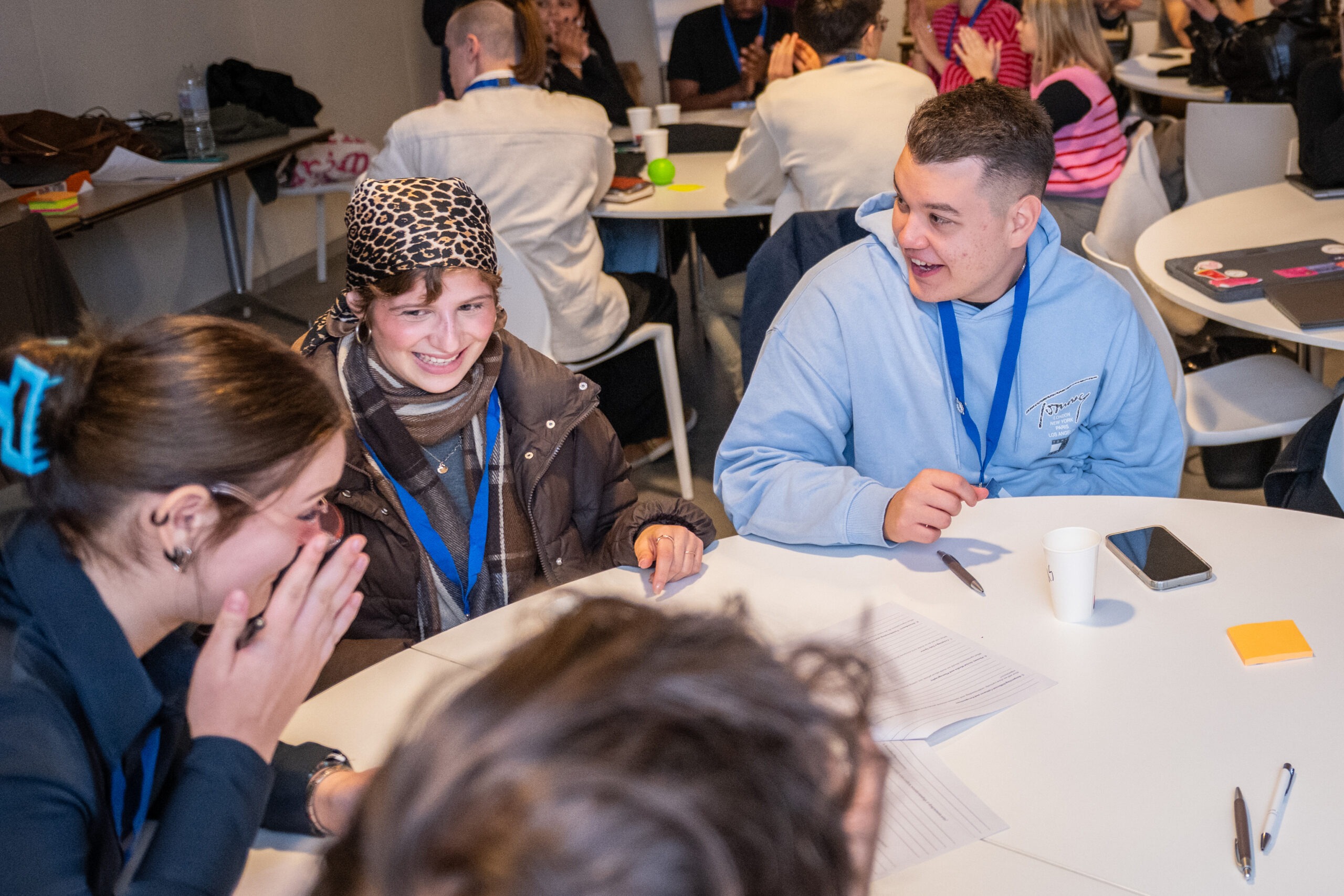
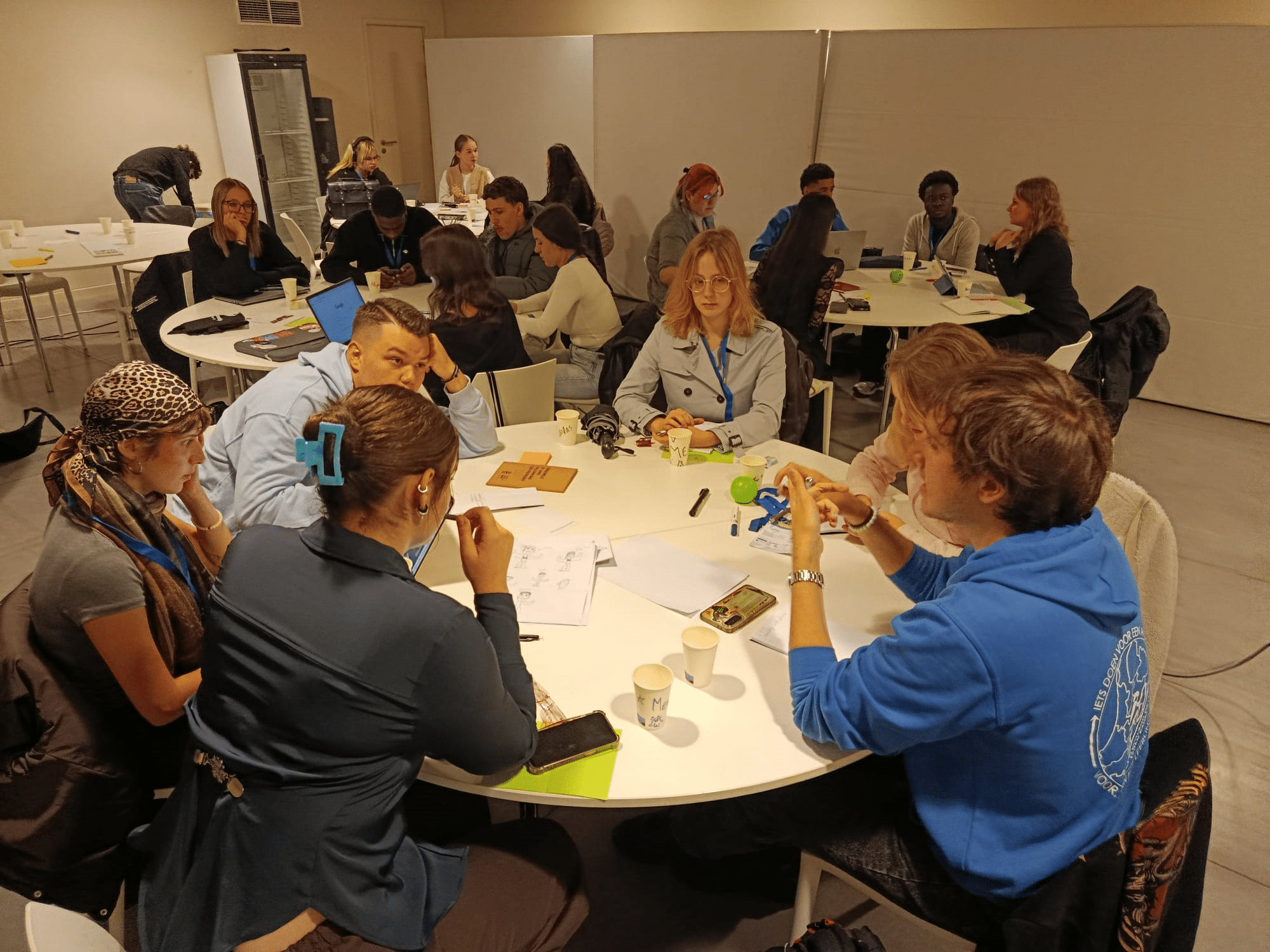
Working in international teams, students addressed themes including democratic participation, sustainability, inclusion, digital citizenship and future skills. Through facilitated discussions, collaborative exercises and group work, they identified challenges, exchanged experiences and prepared presentations for the wider conference audience. An important feature of the Forum was its student-led approach. Teachers supported the learning process, encouraged participation and helped groups organise their work, while responsibility for developing ideas and preparing the final presentations remained with the young participants.
This approach offered learners opportunities to practise several competences associated with active citizenship: listening to different perspectives, negotiating ideas, communicating across cultures and taking responsibility for a shared outcome.
Connecting young people with European institutions
The Youth Forum also connected students' reflections with the European institutional context.
The programme included exchanges with EU institutional representatives and educational visits to the Council of the European Union and the Parlamentarium. These experiences provided opportunities to explore the relationship between European institutions, democratic participation and the issues discussed during the Forum.
On 23rd October, students presented their perspectives and recommendations to the EfVET conference audience, bringing the voices of VET learners into a wider discussion involving education professionals and stakeholders. For citizenship education, this is an important distinction. Young people are not only recipients of information about democracy and European values. They can also be active contributors to discussions about education, society and their future.
The contribution of EU CLASS to the Youth Forum
EUCLASS Alliance contributed to the organisation and educational facilitation of the three-day Forum, in collaboration with EfVET and other partner organisations, including the Erasmus+ Jean Monnet Networks BELONGtoEU and Euro4VET. Two teachers from the EUCLASS consortium supported the facilitation of interactive activities, international teamwork and student-led discussions.
Their role reflected an approach to citizenship education in which teachers act not only as providers of knowledge, but also as facilitators of participation, dialogue and collaborative learning.
The experience also highlighted how international educational settings can create opportunities for learners to encounter different perspectives and practise the interpersonal and civic competences needed in increasingly interconnected societies.
Connecting projects, sharing practices
While the Youth Forum focused on learners' participation, another initiative at EfVET 2026 explored how VET organisations can strengthen their cooperation around European citizenship education.
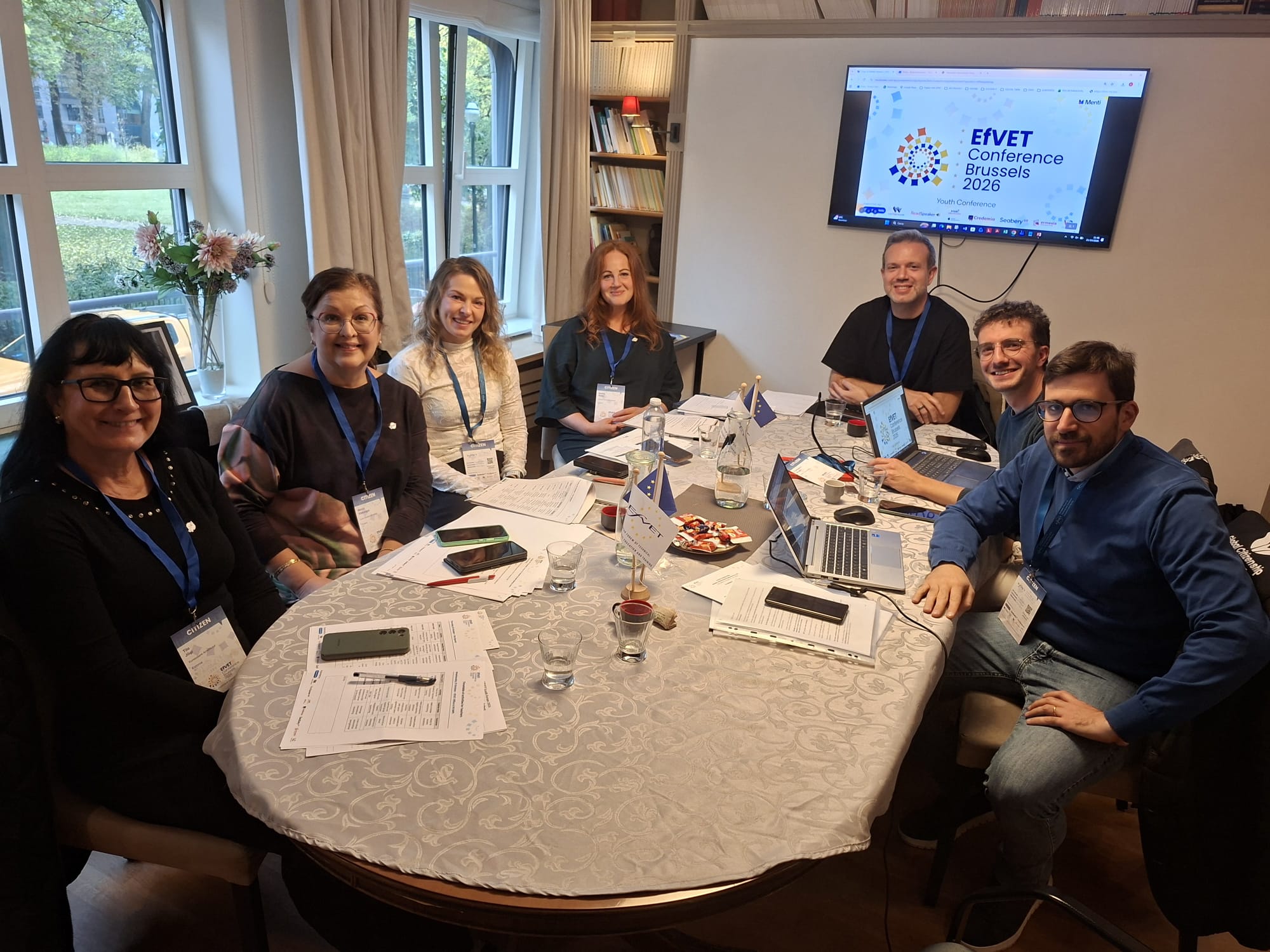
On 22 October, the roundtable “Jean Monnet VET Sister Projects – Connecting projects, sharing practices” brought together representatives of several Erasmus+ Jean Monnet initiatives: EU CLASS Alliance, BELONGtoEU, Euro4VET, Europeans of Tomorrow and TEACH.
Facilitated by Luca Calligaro (ENAC ETS), Francesco Bruno (Apro Formazione) and Ruth Verhoeff (Rijn IJssel), the session created space to exchange educational practices, project experiences and common implementation challenges. Discussions addressed issues such as teacher engagement, curriculum integration, reaching learners and sustaining project results beyond individual activities.
Participants also explored possible areas for future collaboration, including sharing teaching resources, organising joint events, encouraging peer learning and developing common dissemination initiatives.
These exchanges took place within the Jean Monnet VET Sister Projects Network, an informal initiative developed within the EfVET community to connect organisations involved in Jean Monnet Actions. Its purpose is to encourage mutual learning and explore cooperation opportunities that can help organisations build on one another's experience.
Participation and cooperation: two dimensions of citizenship education
Although the Youth Forum and the roundtable involved different participants and formats, they pointed towards a shared educational principle: citizenship is developed through opportunities to engage with others and contribute to a common purpose.
For learners, this can mean discussing complex issues, working in multicultural teams and expressing their perspectives. For teachers and organisations, it can mean exchanging methodologies, learning from different educational systems and developing approaches that make European citizenship more relevant to vocational education. These dimensions reinforce one another. Meaningful learner participation requires supportive educational environments, while cooperation between organisations can help educators share and improve the practices that make such participation possible.
Building on the connections made in Brussels
The experiences at EfVET 2026 provide useful perspectives for the future work of EU CLASS Alliance.
The Youth Forum demonstrated the educational value of giving VET learners an active role in international discussions, while the Jean Monnet roundtable offered opportunities to connect organisations facing similar challenges in citizenship education. Building on these experiences means continuing to explore how young people can participate meaningfully in educational activities and how European cooperation can support teachers and VET providers.
Ultimately, European citizenship becomes more meaningful when it is not only discussed, but experienced through participation, dialogue and shared action.